The Ultimate Luxury in the Age of AI: The "Human Touch"
If 2025 was the "year of anxiety" regarding AI ubiquity, 2026 is shaping up to be the "year of the response." Designers and strategists, having witnessed this seismic shift, are now focusing on a single, fundamental question:
"When everything can be generated by AI, what makes a brand feel real and purposeful?"
The trends for 2026 are not merely aesthetic choices; they are strategic reactions to a digital environment saturated with algorithmic smoothness and declining trust.
Here are the key design trends for 2026 and the deep-seated reasons behind their emergence:
1. The Rise of "Tactile Craft" and Imperfection
The Trend:
Expect a significant surge in designs that evoke the feeling of human labor. This includes visible flaws, collage craftsmanship, handwriting, paper textures, scribbles, rough edges, soft shadows mimicking real-room lighting, and the "Candid Camera Roll" aesthetic (grainy, flash-lit, and deliberately unpolished images). In short, the flawless, glossy visuals produced by AI are being replaced by work that clearly bears the mark of human intervention.
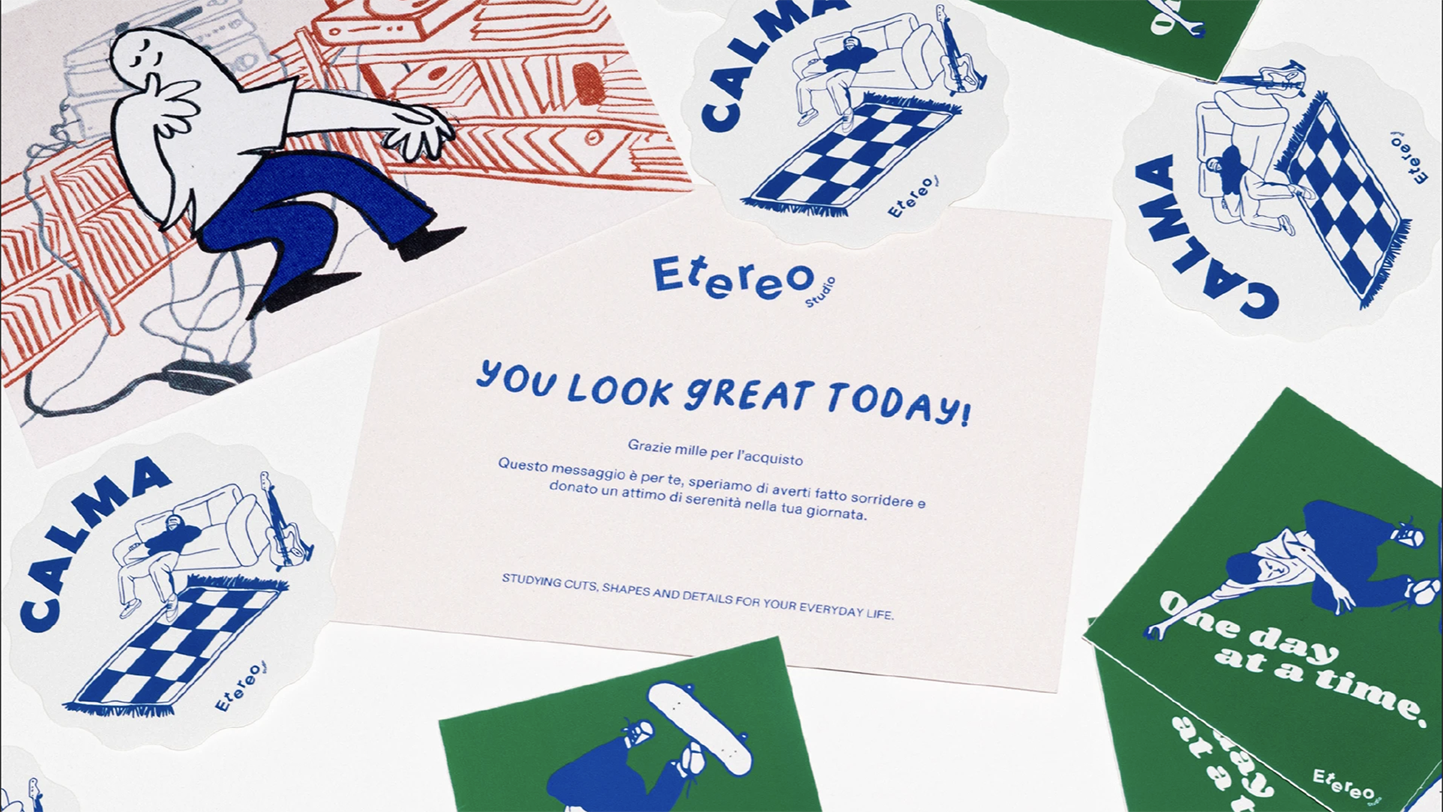
Etereo Studio - Clothing Brand
The Reason Behind It:
This trend emerges as a direct rebellion against the "weightless, frictionless, and over-polished" aesthetic of AI content. In this age of automation, imperfection has become a credibility marker. Research shows that tactile cues and "signs of effort" build trust in the user's eyes and enhance perceived brand value because these signals indicate that someone is attentive to the production process and cares about their work.
2. Sensory Brand Experience (SBE)
The Trend:
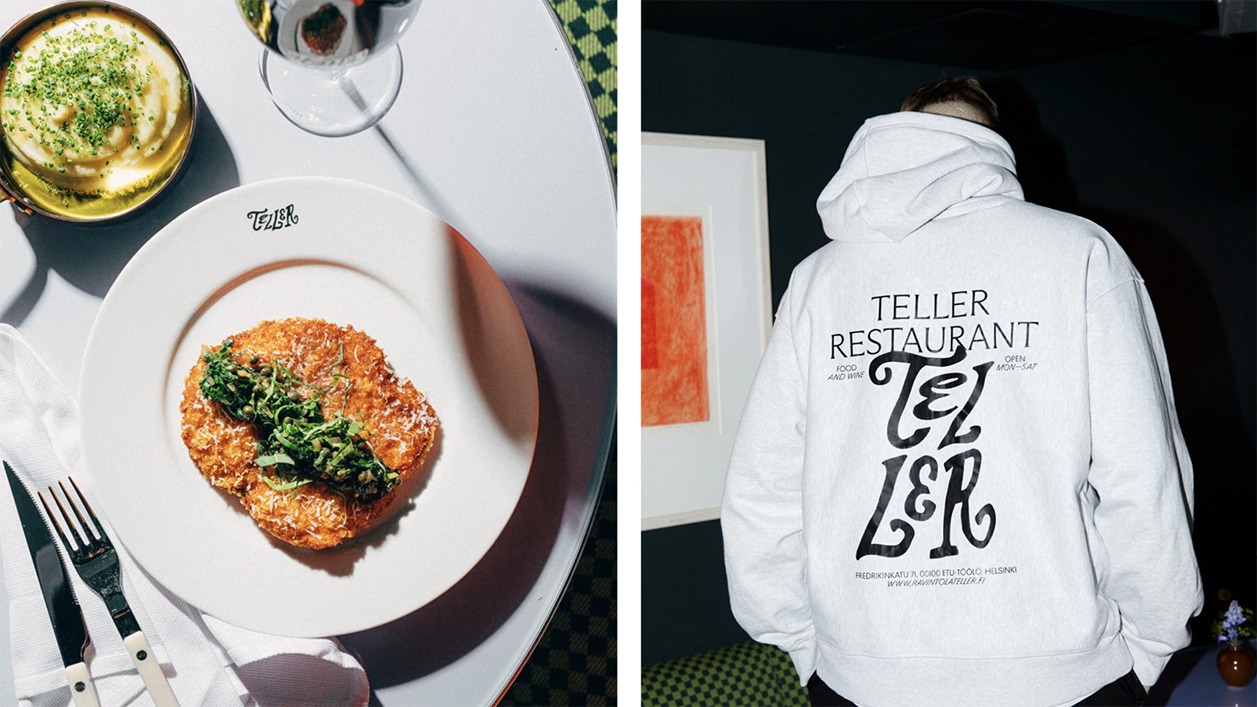
Expect In 2026, branding is evolving away from a purely visual, flat, and "frictionless" world into an immersive "Sensory Brand Experience" (SBE) that orchestrates auditory, olfactory, tactile, and even taste cues. Brands are no longer just static logos or color palettes; they are becoming worlds to be entered and felt.
Brand identities will now be defined by "texture, specificity, and mood." Escaping the "weightless" feel of the digital screen, designers are abandoning sharp corners and rigid geometry in favor of Liquid Motion, nature-inspired textures, and soft gradients to humanize digital spaces. Sonic branding (jingles, ambient sound) and olfactory cues are no longer add-ons but core components of a brand's presence, designed to trigger emotion and memory faster than visuals alone.
The Reason Behind It:
Years of screen-focused living—peaking during the pandemic—have created deep digital fatigue and a craving to engage all senses. Consumers now seek to escape digital stressors and take refuge in experiences that feel real, physical, and joyful. Consequently, sensory elements in design appeal to human instincts, facilitating deeper emotional connections and increasing brand trust.
3. Gen Z Maximalism and "Chaos Packaging"
The Trend:
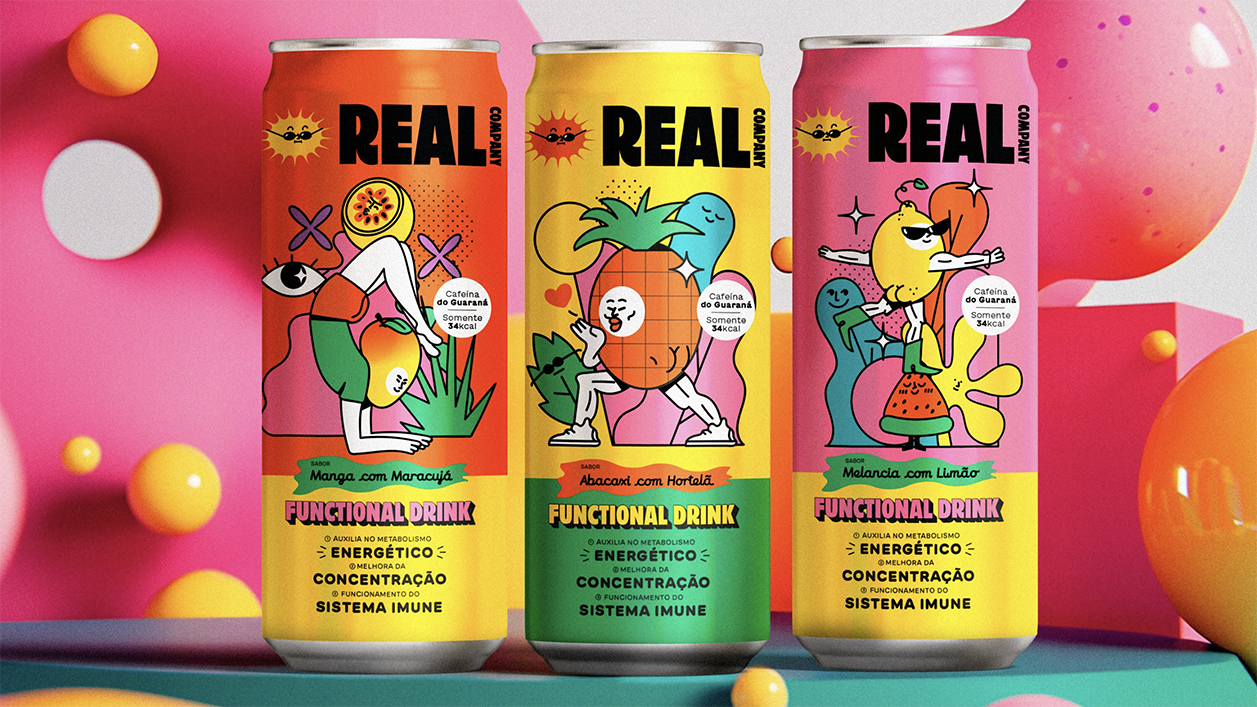
The era of "Quiet Luxury" is fading, replaced by high-energy "Hyper-Individualism" and "Chaos Packaging." As a reaction to the sterile, over-digitized minimalism popularized by Apple over the last decade, an "Anti-Design" approach is rising—one that looks "feral" at first glance but is highly intentional.
In 2026, expect to see a "riot of color," quirky typography, and unusual illustrations fighting for attention on the shelves. Styles like "Cyber Y2K" collide with "Clowncore," utilizing broken grids, collages, and tape/staple effects. This aesthetic gives brand guidelines the look of a "zine" or "protest poster" rather than a corporate layout. This attitude will be unmistakably present in brand designs targeting Gen Z.
The Reason Behind It:
Gen Z is driving this shift by rejecting uniformity to stand out in a world where everyone looks the same. This generation dresses and buys not to look rich, but to look "rare" and unique. In an environment where algorithmic perfection is perceived as "ordinary," this controlled chaos proves that a brand has an authentic, story-driven, and "slightly ungovernable" character.
4. Neo-Minimalism: The Shift from Sterile to Sentient
The Trend:
While chaos and maximalism grab headlines, minimalism isn't dying; it is simply molting. Enter "Neo-Minimalism," a grounded, emotional evolution of the "Quiet Luxury" aesthetic. Far from the pale, flat minimalism of the early 2020s, this trend takes clean design into "tactile territory." Expect layouts that prioritize "texture and detail" over empty white space. By utilizing natural backgrounds like linen, paper, or clay, along with sophisticated serif fonts and elegant animations, a "more immersive" form of simplicity is created.
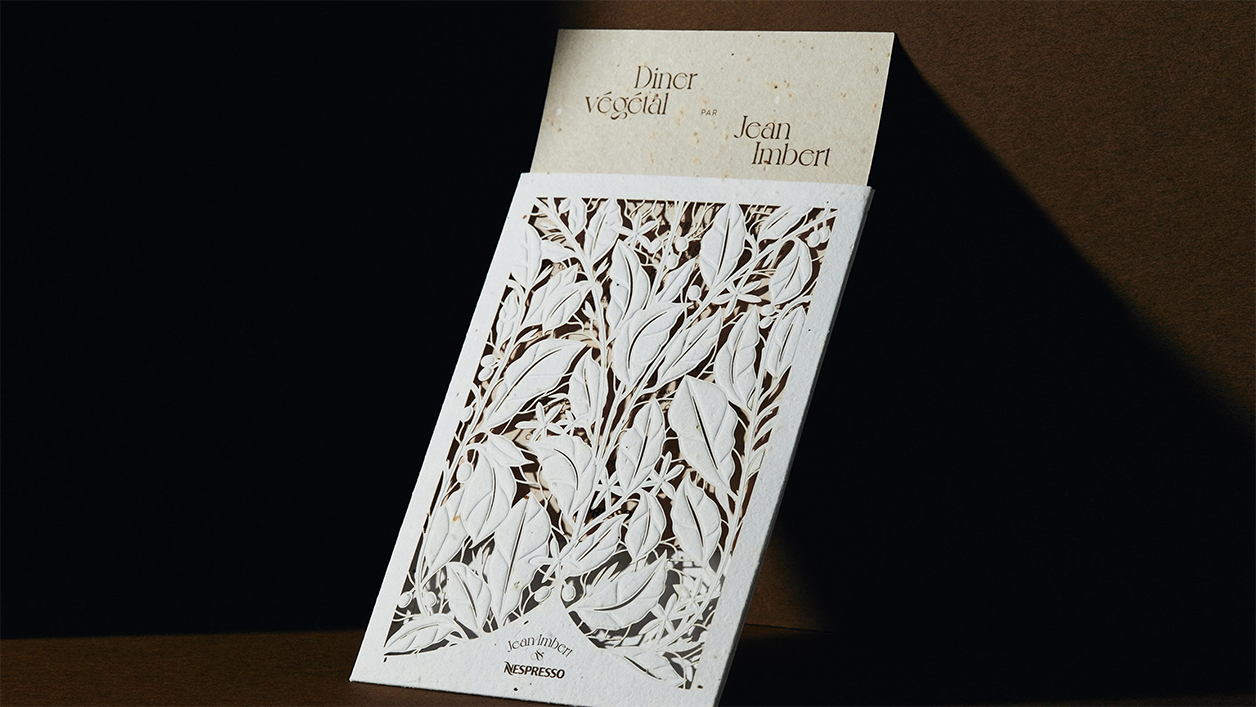
Diner Vegetal - Jean Imbert & Nespresso
The Reason Behind It:
The appetite for calm in a noisy digital world remains strong, but the "sterile" look of the past decade is losing its cultural grip. Audiences still crave clarity, but they now demand it feels "more human." Neo-Minimalism offers a powerful alternative to maximalism for brands that want to remain premium and understated without appearing cold or soulless. It is a strategic move to maintain the usability of minimalism while injecting the "warmth" and "emotion" that modern consumers now associate with trust.
5. Hyper-Local Heritage and Elemental Folk
The Trend:
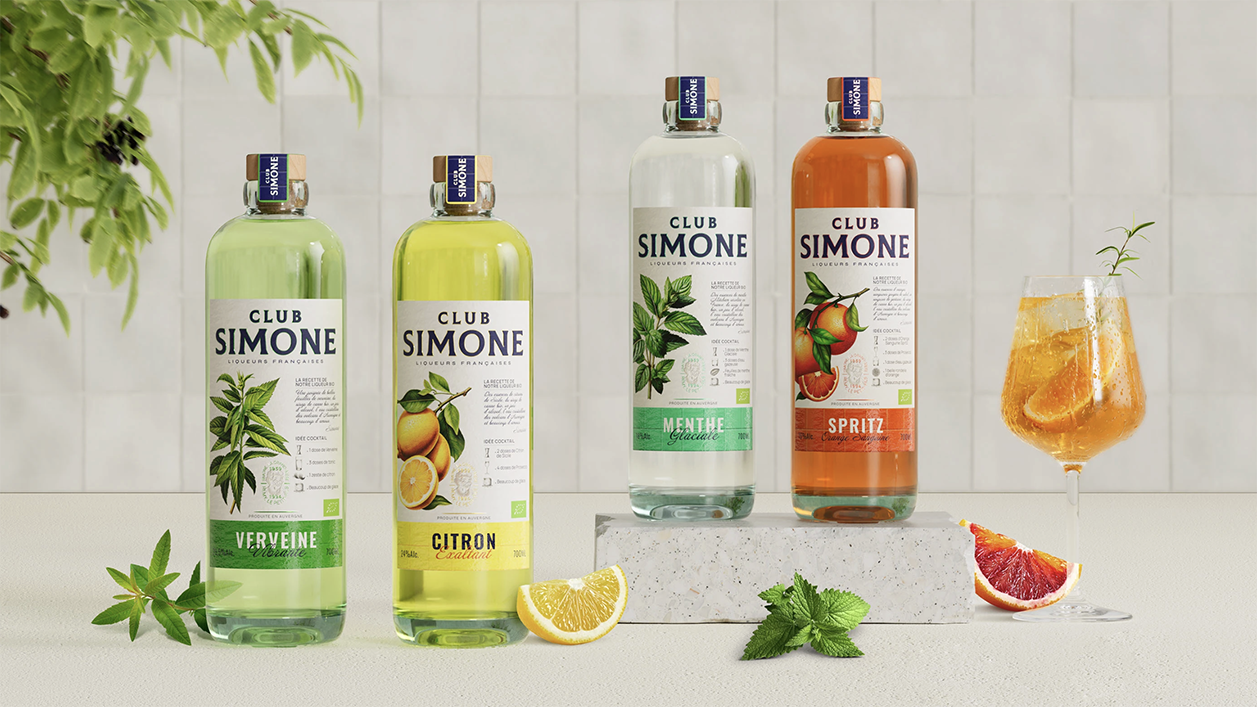
In 2026, the most potent way to stand out will not be to look like you belong to the future, but to prove you belong to a specific place and a specific past. This movement highlights hand-drawn motifs inspired by flora and fauna, ornamental borders, and artisanal, rustic typography. Instead of generic, universally appealing visuals, brands will mine local myths, building histories, or regional street patterns to create unique assets deeply rooted in reality.
The Reason Behind It:
In a climate of global instability, consumers are searching for safe harbors and solid ground. This trend offers brands a narrative that feels authentic rather than fabricated—a "return to roots." As trust in faceless global corporations erodes, local symbols provide a feeling that AI cannot easily fake: a sense of community and belonging.
6. Retro-Futurism
The Trend:
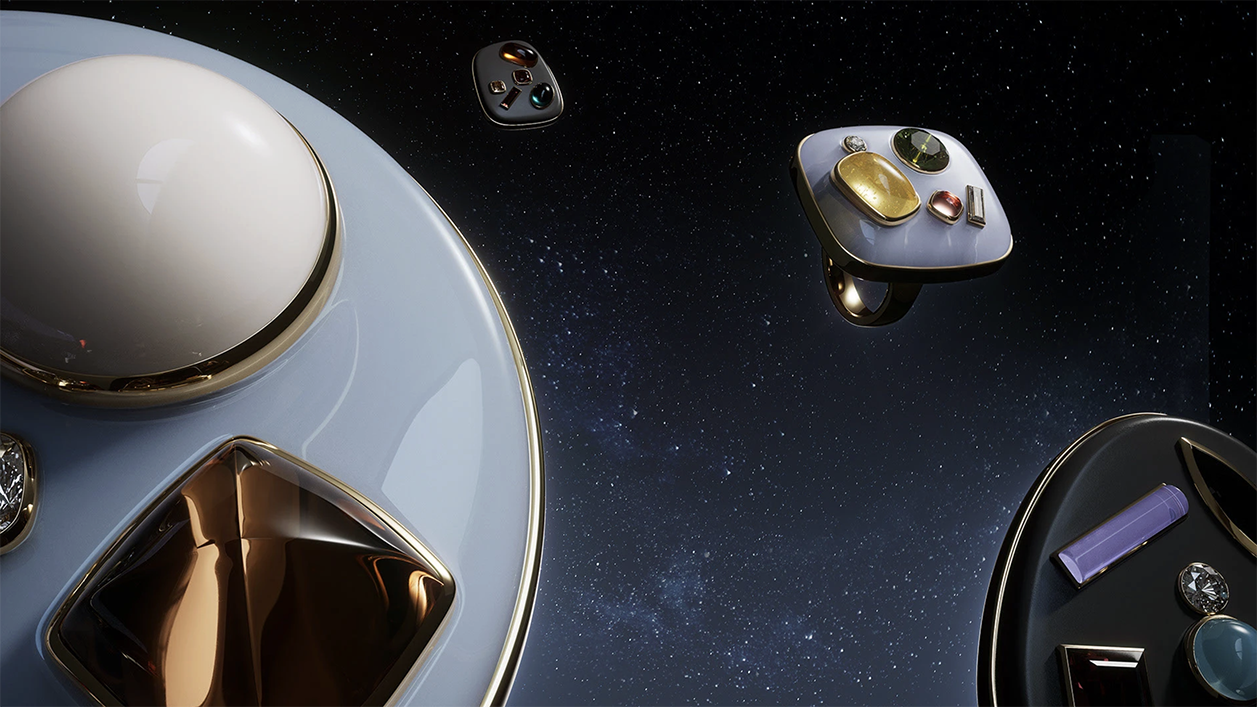
Retro-Futurism is a strategic visual style that merges the "Space Age" aesthetic of the mid-20th century with contemporary futuristic design. As global uncertainty fuels anxiety, tech and lifestyle brands, in particular, will aim to provide reassurance by reminding audiences of "the good old days." In 2026, brands will use this aesthetic to move away from the cold alienness of minimalism and flat design, creating a "warm" and approachable perception.
Visually, we will see logos pairing classic serif fonts with avant-garde shapes. Additionally, "analog warmth"—such as metallic textures and film grain—will frequently appear in communication designs to break the clinical coldness of digital design.
The Reason Behind It:
The primary driver behind this style is the search for "Comfort in the Unknown." Just like the "Return to Roots" movement, unstable global politics and the rapid advance of AI create a psychological need to anchor future concepts with familiar, nostalgic visual cues. Through Retro-Futurism, brands can tap into the timeless appeal of the past to make the future feel safer. This trend serves as a comforting bridge, proving that progress does not mean losing our humanity.
7. The "Frutiger Aero" Revival
The Trend:
While Retro-Futurism looks to the mid-century (1950s-60s), Frutiger Aero revives the "techno-optimism" of the early 2000s and Web 2.0 era. This style reminds us of a world where technology and nature coexist in a seamless, vibrant balance.
In 2026, expect to see refreshing visuals featuring bright color gradients, rounded typography, oval objects, blue skies, lush nature, and water bubbles. Brands will rebuild their identities on glossy backgrounds and nature-infused imagery to move away from the sterile flatness of the 2010s, creating tactile, hopeful, and fully immersive experiences.
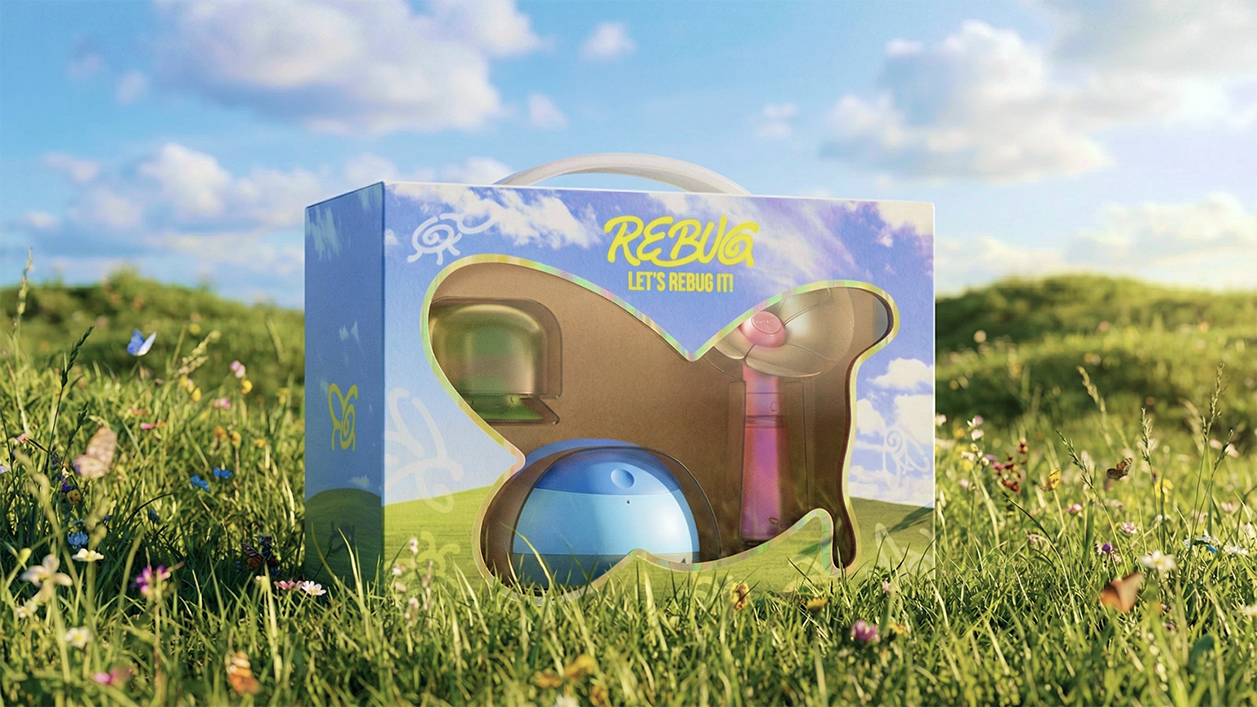
Rebug - Interactive Toy for Kids
The Reason Behind It:
The fundamental reason for this resurgence is "Utopian Longing" and the rejection of sterile minimalism. There is growing fatigue with the "flatness" of modern, machine-led design. Audiences are seeking an escape to a time when technology was viewed as a tool for hope rather than a source of anxiety ("the future we were promised"). For Gen Z specifically, this "retro-digital" style feels fresh and subversive, offering a joyful and distinct alternative to the corporate seriousness they grew up with.
Key Takeaways
Critical lessons from this report to carry into your 2026 business strategy:
1. The New Currency of Trust: "Reality"
AI's flawless production speed has paradoxically created deep distrust among people. As seen in the backlash against fully AI-generated campaigns (such as the McDonald’s Netherlands example), work that incorporates human labor, acknowledges flaws, and relies on storytelling is deemed "trustworthy." Consumers no longer want to buy "perfect"; they want to buy "real."
2. Brands Must Be "Safe Harbors" in the Age of Chaos
Economic uncertainty and dystopian future scenarios have triggered a need for "safety" in consumers. Cold, distant corporate language no longer works. Brands that provide joy, emphasize local values, and remind people of their roots will serve as oases in this chaotic environment.
3. AI is the Tool, Not the Creator
AI technology is an inevitable force, but leaving project management entirely to it strips brands of their soul. Technology should be positioned as an "assistant" that amplifies human creativity. Remember: AI is the engine, but human vision is the steering wheel.
4. Gen Z: Not Just Consumers, but Transformers
Viewing Gen Z merely as a "new customer base" is a strategic error. They are a force reacting against the artificiality of the current world and changing the rules of the game. Understanding their insistence on "non-conformity" is vital for your brand's future survival.
5. Trends are Only Compasses, Strategy is Map
Following trends is important, but the ultimate decider is your target audience's expectation. For example, "Neo-Minimalism" might be perfect for a luxury furniture brand, while "Chaos Packaging" is the right choice for a youth-oriented perfume brand. Applying the wrong trend is like shouting the right message to the wrong person. Strategy first, trend second.
Gennaro Insights
At Gennaro Agency, we do not reject technological developments; we use it to amplify human creativity. Our 2026 vision is clear:
We merge data with emotion, and the speed of AI with the precision of craftsmanship. We position your brand not just according to today's trends, but as a structure that remains "trusted and loved" in the uncertain world of tomorrow.
Because we know that no matter how digitized the world becomes, the decisions are still made by the human heart.
References
Branding inspiration: design trends for 2026 | KOTA
https://kota.co.uk/blog/branding-inspiration-brand-design-trends-for-2026
The texture of trust: how visual tactility sells online. | KOTA
https://kota.co.uk/blog/the-texture-of-trust-how-visual-tactility-sells-online
Graphic design trends 2026: 8 styles shaping visual culture | Envato
https://elements.envato.com/learn/graphic-design-trends
The four creative trends that will define marketing in 2026 | Adobe Blog
https://blog.adobe.com/en/publish/2025/12/09/four-creative-trends-define-marketing-2026
Predictions 2026: Trust Will Be The Ultimate Currency For B2B Buyers | Forrester
https://www.forrester.com/blogs/predictions-2026-trust-will-be-the-ultimate-currency-for-b2b-buyers/
Addressing The B2B Trust Deficit: How To Win Buyers In 2026 | Search Engine Journal
https://www.searchenginejournal.com/addressing-the-b2b-trust-deficit-how-to-win-buyers-in-2026/559267/
Exciting Marketing Predictions 2026 for Future Success | Challenge Marketing
https://challengemarketing.co.uk/our-thoughts/marketing-predictions-2026/
Top 10 Graphic Design Trends 2026 | VistaPrint UK
https://www.vistaprint.co.uk/hub/graphic-design-trends
Examining the Impact of Sensory Brand Experience on Brand Loyalty | Corporate Reputation Review https://link.springer.com/article/10.1057/s41299-023-00175-x
Future Consumer 2027: Why emotion is money | WGSN
https://www.wgsn.com/en/blog/future-consumer-2027-why-emotion-money
9 logo design trends to look out for in 2026 | WIX
https://www.wix.com/blog/logo-design-trends
Gen Z is making maximalism the future of fashion in 2026 | Instituto Marangoni
https://www.istitutomarangoni.com/en/maze35/industry/gen-z-maximalism-fashion-2026
McDonald's Netherlands pulls AI Christmas ad after backlash | BBC
https://www.bbc.com/news/articles/czdgrnvp082o